Trying to choose the right Northbrook neighborhood as your family grows can feel overwhelming. You want more space, the right school fit, easy routines, and a community that feels like home. This guide breaks down how Northbrook’s different residential pockets align with your priorities and gives you a clear plan to build a short list with confidence. Let’s dive in.
Start with what matters most
Before you look at specific blocks, get clarity on your daily life. Your best neighborhood match will reflect how you live now and what you expect in the next few years.
- Schools and school-boundary fit for each child
- Commute direction, transit vs. driving, and highway access
- Nearby parks, pools, programs, and the library
- Home size and layout, yard size, and street feel
- Price point, property taxes, and resale potential
- Community feel, sidewalks, and walkability
Keep these priorities handy. You’ll use them to compare neighborhood types below.
Neighborhood types at a glance
Northbrook has several residential pockets rather than strict, uniform neighborhoods. Here is what families often consider.
Downtown and Village Center
What it feels like: The most walkable part of Northbrook, close to village hall, the library, restaurants, and neighborhood shops. You’ll find a mix of older single-family homes, townhomes, and some condos, usually on smaller lots, with sidewalks and short walks to errands.
Why families like it: Quick access to library storytimes and programs, easy drop-ins for coffee or groceries, and community events. It is about convenience and connection.
Tradeoffs: Fewer very large yards and some proximity to main-road traffic. If you want a big backyard, you may need to look a bit farther out.
Best for: Parents who value walkability and a central location more than maximum yard size.
Established single-family streets
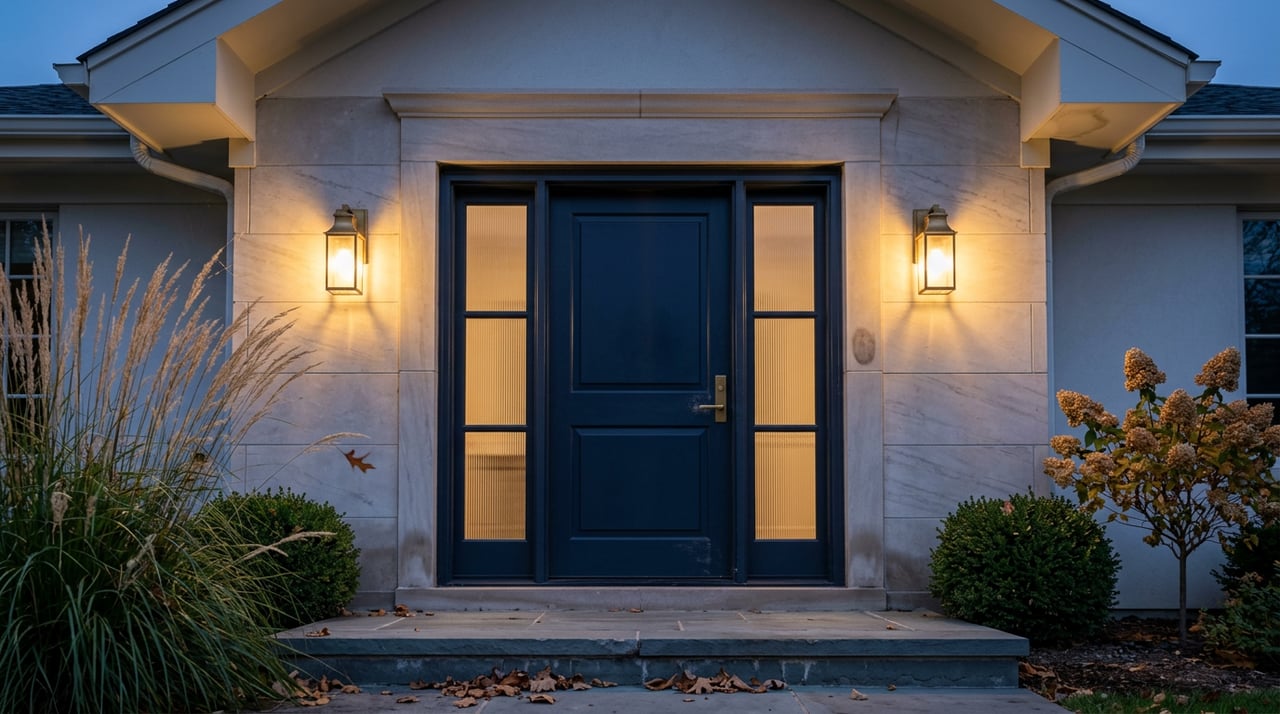
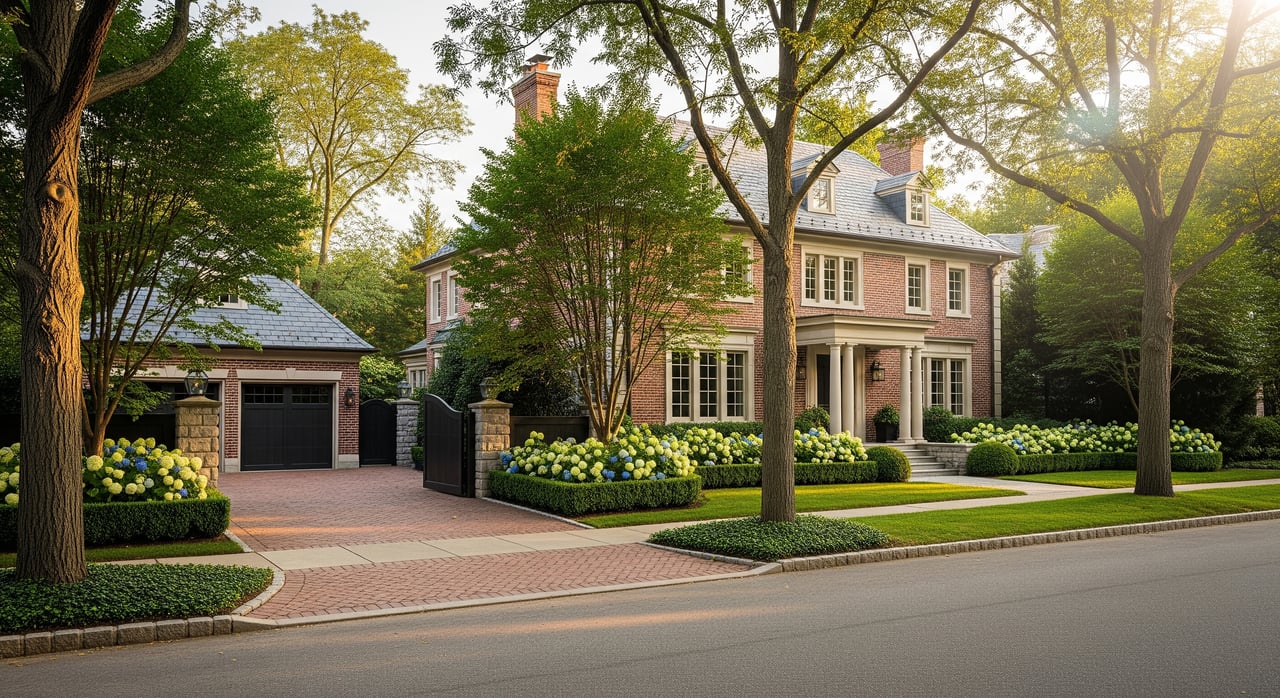
What it feels like: Tree-lined blocks with mid-century homes, including ranches, split-levels, and Colonials. Many streets have sidewalks and nearby playgrounds and elementary schools.
Why families like it: A classic suburban feel with proven family appeal. You’ll often see strollers, bikes, and neighbors out walking dogs. Many homes have manageable yards for play.
Tradeoffs: Some homes may need kitchen or bath updates. That can be a plus if you want to customize, or you can target move-in-ready or remodeled homes in these same areas.
Best for: Families who want a traditional neighborhood feel, steady resale potential, and moderate yard space.
Park and forest preserve adjacent
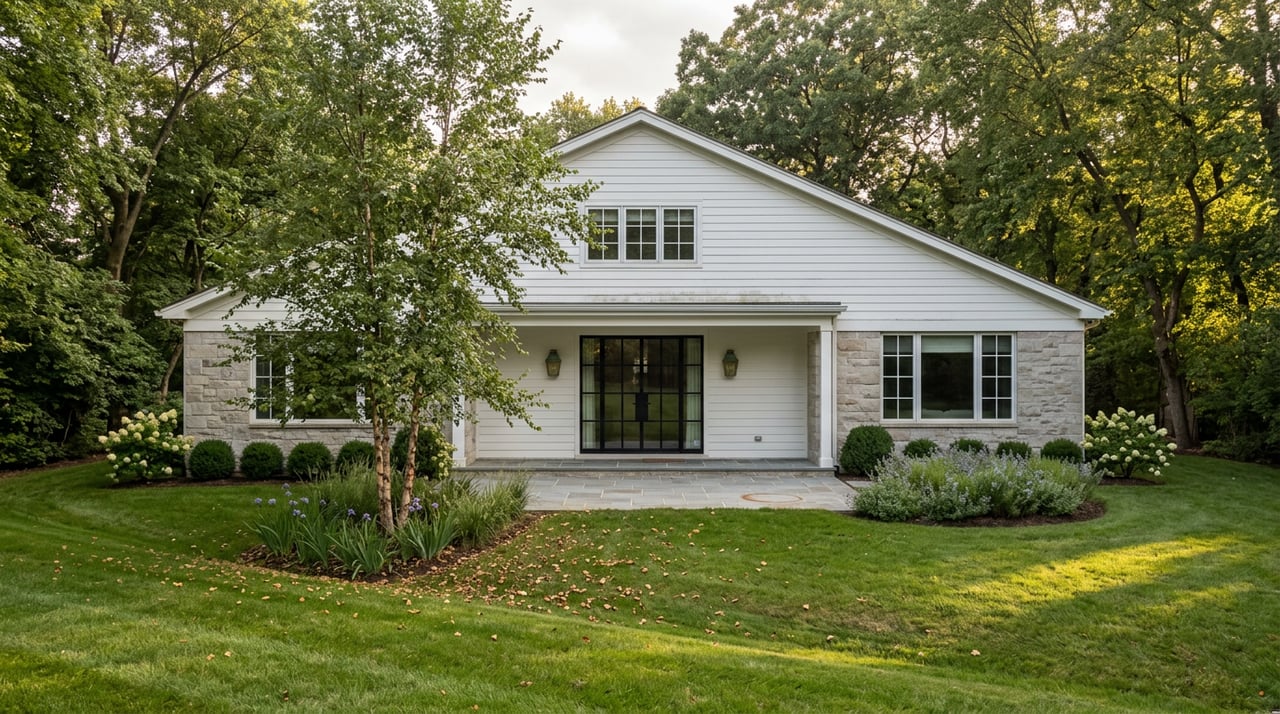
What it feels like: Quiet blocks near larger parks or natural areas with trails. Some parts include newer or higher-end homes and larger lots.
Why families like it: Easy access to nature, bike rides, and weekend exploration. Less through-traffic can make streets feel calmer.
Tradeoffs: Prices can run higher. It is smart to evaluate yard drainage, slope, and maintenance of natural borders.
Best for: Outdoor-focused families who want bigger lots and quick access to trails and open space.
Newer or renovated enclaves
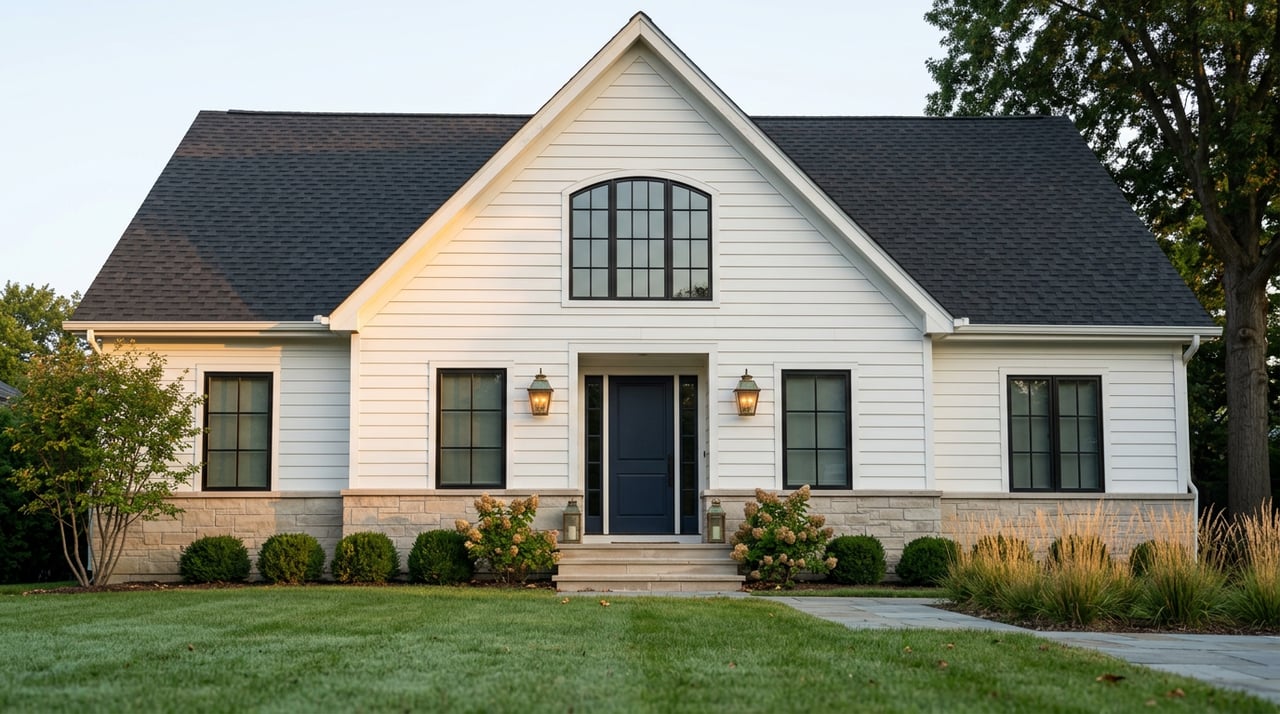
What it feels like: Small pockets where older homes were rebuilt or significantly remodeled. Expect open layouts, modern kitchens, en suite bedrooms, and updated systems.
Why families like it: Contemporary floor plans, fewer early maintenance needs, and features that support family life.
Tradeoffs: In a built-out suburb, lots can be narrower and price per square foot can be higher.
Best for: Buyers who want modern layouts and prefer to avoid major projects.
Condos and townhomes near retail
What it feels like: Attached homes or midrise condos near shopping corridors, often with shared amenities like pools or fitness rooms.
Why families like it: Lower outdoor maintenance, fee-covered exterior work, and a simpler lifestyle. Good for multigenerational setups or families who do not need a large yard.
Tradeoffs: HOA fees apply, outdoor space is more limited, and you may get fewer bedrooms at a given price point than a detached home.
Best for: Those who prioritize ease of living and access to retail and services.
Schools and childcare basics
Most of Northbrook feeds into Glenbrook North High School in Glenbrook High School District 225. It is widely regarded as a high-performing suburban high school with a range of academics and extracurriculars. Since performance metrics evolve, review the latest school report cards through the Illinois State Board of Education and the district’s resources before you buy.
Elementary and junior high boundaries vary across multiple districts in Northbrook. Boundaries can be complex and are subject to change. The most reliable approach is to verify the assigned schools for a specific address through district boundary maps and enrollment offices.
If you plan ahead for preschool or childcare, you will find private and parochial options in and around Northbrook, plus day-care centers and cooperative or faith-based programs. Availability, program offerings, and waitlists can change by season.
What to verify:
- Current school boundary maps and assigned schools for a target address
- The most recent ISBE report cards for school performance
- Specialized programs you care about, such as language immersion, gifted, or special education services
- Bussing, safe walking routes, and before or after-school care options
Parks, programs, and weekend fun
The Northbrook Park District is a major perk. You will find playgrounds, community parks, seasonal pools, sports fields, and year-round programs for youth sports, music, dance, art, and more. The Northbrook Public Library and community centers offer storytimes, tutoring resources, and parent-child classes.
If parks and recreation are high on your list, use park district maps to pinpoint playgrounds within walking distance of a home you are considering. Check seasonal registration windows for pools, camps, and popular programs to avoid waitlists.
Also consider practical access to pediatric care, urgent care, and nearby hospitals. A 10 to 20 minute drive to providers can make day-to-day life smoother.
What to verify:
- Park and pool memberships and registration timelines
- Walkable playgrounds and loop trails near target streets
- Summer camp enrollment details and deadlines
- Library schedules for children’s programs
Commute and transportation
Northbrook offers access to major expressways that connect to Chicago and surrounding employment centers. The Edens Expressway on the I-94 corridor provides direct routes toward the city. The Tri-State Tollway on I-294 helps with north-south movements across the suburbs. Drive times vary widely during rush periods, so always test your commute at your usual travel times.
Northbrook is also served by Metra commuter rail to downtown Chicago. If you plan to ride the train, confirm the exact line, station locations, schedules, and parking rules. Families who depend on transit should also evaluate station walkability and weekday versus weekend service.
What to verify:
- Exact Metra line, station options, permit vs. daily parking, and weekday frequency
- Typical drive times to your office, O’Hare, and key suburban job hubs during actual commute windows
- Proximity to highway on-ramps and your preferred routes
Home styles, yards, and budget planning
You will see a wide range of housing in Northbrook:
- Mid-century ranches and split-levels in established neighborhoods
- Two-story Colonials and traditional homes on moderate lots
- New construction infill and fully remodeled homes with modern, open layouts
- Townhomes and condos near retail with shared amenities
Lot sizes range from compact near downtown to larger parcels near parks and natural areas. Very large acreage is less common within Northbrook proper. If a bigger lot is a must, set a minimum lot-size filter, such as 0.25 acres, when you search.
Price varies by location, size, lot, and condition. Northbrook tends to sit above the regional median. For an accurate picture of current prices, days on market, and inventory of 3-plus bedroom homes, review recent MLS data or current market reports. Because this changes quickly, rely on data from the last 6 to 12 months.
For carrying costs, factor Cook County property taxes, homeowners insurance, and potential HOA fees for condos or townhomes. Reviewing property tax history and any special assessments for a specific property is a smart part of due diligence.
What to verify:
- Median sale price and price per square foot over the last 6 to 12 months
- Supply of family-sized homes and typical days on market
- The balance of remodels, tear-downs, and new construction, which influences lot values and long-term potential
Match your priorities to places
Here are examples of how families often choose among Northbrook’s neighborhood types:
- If you want walk-to-everything convenience: Focus near the Downtown and Village Center, or consider nearby townhomes or condos if lower maintenance is appealing. You will gain easy access to the library, shops, and community events.
- If you want a bigger yard and quieter streets: Look at park or forest preserve-adjacent blocks and established single-family streets near playgrounds. You will trade walkable errands for outdoor space and calmer traffic patterns.
- If you want a modern floor plan without major projects: Target newer or renovated enclaves that feature open kitchens, family rooms, and en suite bedrooms.
- If you want low-maintenance living: Condos or townhomes near retail can simplify your weeks while still keeping you close to services and amenities.
Your 8-step shortlist plan
Use this simple process to narrow your search to two to four realistic options.
- Define nonnegotiables. List your required school district(s), minimum bedrooms and baths, yard size, commute direction and max time, and a budget that includes taxes and HOA where applicable.
- Use mapping and filters. Filter for 3-plus bedrooms and desired lot size within a set distance to your preferred school or park. Review sidewalk presence and walkability if that is important.
- Confirm schools. Enter exact addresses into district boundary maps. Pull the latest ISBE report cards. Contact enrollment offices for program details that matter to you.
- Test commutes. Drive or ride transit at your actual commute times. Confirm Metra stations, schedules, and parking options.
- Visit at different times. See blocks during weekday rush, mid-afternoon school pickup, and a weekend morning. Stop by parks and the library while you are there.
- Ask targeted questions. Request typical utility costs and learn about common home ages and renovation trends from local agents.
- Check carrying costs. Review property tax history, exemptions, and any assessments or HOA dues.
- Map daily life. Identify nearby pediatric care, urgent care, supermarkets, and childcare options. Confirm availability and waitlists.
How we can help
Buying in Northbrook is about matching the right neighborhood type to your family’s needs, then validating the details. Our team brings a neighborhood-first approach, current market data, and a consultative process that helps you move forward with confidence. We will help you refine your priorities, set up smart searches, verify school boundaries and program details, and plan realistic commute tests. When you are ready, we will line up tours, evaluate carrying costs, and negotiate with your long-term goals in mind.
If you are weighing tradeoffs between walkability, yard size, and school fit, we would love to be your guide. Connect with The JG Group to start a focused Northbrook search that fits your family’s next chapter.
FAQs
What should I know about Northbrook school boundaries?
- Boundaries vary by elementary and junior high district and can change. Verify the assigned schools for a specific address through district maps and the latest ISBE report cards before making an offer.
How do downtown and park-adjacent areas compare for families?
- Downtown offers walkability to the library, shops, and events, while park-adjacent blocks provide easy access to trails, larger lots, and calmer streets. Choose based on how you plan to spend most days.
Are there larger lots available within Northbrook?
- Larger lots exist, especially near parks and natural areas, but very large acreage is less common. Set a numeric lot-size filter, and expect premium pricing for bigger parcels.
What commute options should I evaluate from Northbrook?
- Test both driving on I-94 and I-294 and riding Metra commuter rail. Confirm your closest station, parking options, and weekday schedules, and time your routes during your actual commute windows.
How can I assess safety and walkability on a specific block?
- Review local police department crime data, check sidewalk presence and crossing safety, and visit at different times of day. Observe school drop-off patterns and traffic during peak hours to see how it feels.