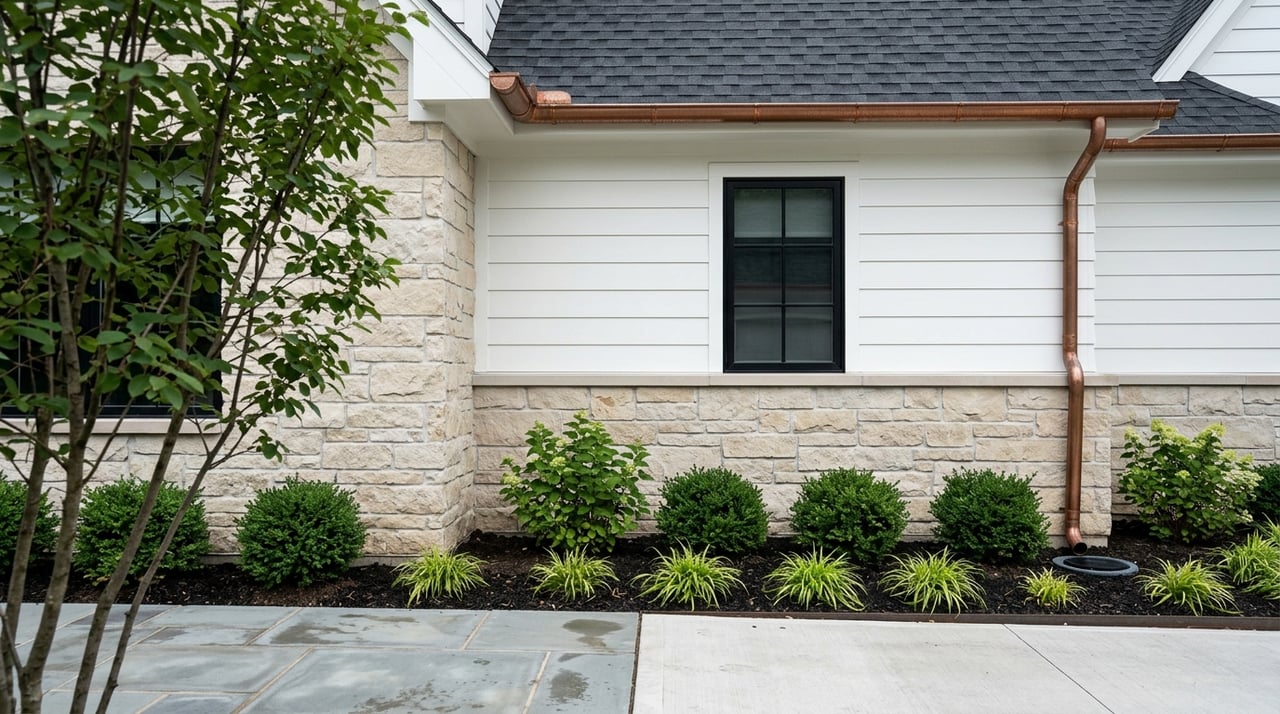
If you own a home in Northbrook, your maintenance calendar cannot be an afterthought. With cold winters, regular freeze-thaw cycles, and seasonal yard rules that affect how and when you tackle outdoor work, small tasks can turn into expensive repairs if they get pushed off too long. This guide walks you through a practical seasonal home maintenance checklist for Northbrook so you can protect your home, stay ahead of local requirements, and plan your upkeep with more confidence. Let’s dive in.
Why seasonal maintenance matters in Northbrook
Northbrook homeowners deal with a climate that puts real pressure on roofs, gutters, foundations, plumbing, and HVAC systems. Using nearby Chicago O'Hare climate normals as a proxy, the area averages 38.4 inches of snowfall each year and far more heating degree days than cooling degree days, which tells you winter prep deserves extra attention.
That pattern shapes how you should care for your home across the year. In Northbrook, seasonal maintenance is not just about appearance. It is about managing water, preventing freeze damage, keeping systems running efficiently, and timing yard work around local rules.
Winter checklist for Northbrook homes
Service your heating system
Before deep winter sets in, schedule annual service for your furnace or heat pump. The U.S. Department of Energy recommends annual professional maintenance for HVAC equipment, and regular filter changes can help your system run more efficiently through the coldest months.
It also helps to insulate hot-water pipes, especially in colder parts of the house. If indoor temperatures drop too low, pipes in vulnerable areas can freeze or burst, which is one of the most disruptive winter repairs a homeowner can face.
Protect pipes from freezing
Northbrook winters regularly bring temperatures near or below freezing, especially in January and February. That means plumbing protection should be part of your seasonal routine, not just an emergency response.
As a simple rule, avoid letting your home get too cold inside during winter weather. This is especially important if pipes run through basements, garages, crawl spaces, or exterior walls.
Clean gutters and check downspouts
Gutters matter year-round, but they are especially important before snow and ice arrive. Clear out leaves and debris so melting snow and winter precipitation can move off the roof instead of backing up.
Make sure downspouts direct water away from the foundation. Building science guidance from the Department of Energy notes that runoff that is not carried away can saturate the soil near your home and contribute to moisture and durability problems over time.
Watch roof drainage and ice-dam risk
Cold-climate freeze-thaw cycles can contribute to ice dams, especially if roof drainage is blocked. Roof penetrations and flashing are also common leak points, so winter is a good time to keep an eye on any signs of moisture indoors.
If you notice staining, drips, or drafty spots near the roofline, put those areas on your repair list for spring inspection. Catching those issues early can help you avoid larger damage later.
Handle snow with village rules in mind
After snowfall, keep snow from driveways and parking areas off village streets, rights-of-way, and fire hydrants. Northbrook declares a snow emergency after at least 2 inches of snow in 24 hours, and vehicles parked on public streets during a snow emergency can be ticketed and towed.
It is also useful to know that the Village handles only selected public sidewalks. During larger storms, sidewalk clearing may take longer than road plowing, so plan accordingly if you are responsible for walking routes near your property.
Spring checklist after winter thaw
Inspect the roof and flashing
Once winter loosens its grip, start with a visual inspection of the roof. Northbrook’s freeze-thaw conditions can be tough on shingles, flashing, and other transition points where water can sneak in.
Pay close attention to roof seams, flashing, and penetrations. Department of Energy guidance notes these are vulnerable spots for water intrusion, which makes spring the right time to look for wear before heavy rains become a bigger issue.
Check windows, doors, and caulking
Spring is also a smart time to inspect windows and doors for failed caulk or visible gaps. Air sealing around stationary joints can help reduce both air leaks and moisture problems.
If you find cracked or missing caulk, add resealing to your spring to-do list. Small sealing updates can support comfort inside the house while also helping manage moisture at the exterior.
Test your air conditioning early
Do not wait for the first hot week to find out your AC is not ready. Test the system in spring and replace dirty filters so you have time to address issues before summer demand picks up.
Annual HVAC maintenance is recommended for cooling equipment too. A simple preseason check can help you avoid mid-summer breakdowns and improve system performance.
Summer checklist for comfort and curb appeal
Water your lawn the right way
Most lawns in Illinois are cool-season grass, which means they grow most actively in spring and fall. In summer, those lawns may slow down or go dormant, especially during hotter or drier periods.
If you irrigate, Illinois Extension says cool-season lawns generally need about 1 to 1.5 inches of water per week. Watering early in the day is better than watering midday because it reduces evaporation and may help lower disease risk.
Follow Northbrook sprinkler rules
In Northbrook, lawn sprinkling is restricted on weekdays from 10 a.m. to 4 p.m. between May 15 and September 15. If you are planning your irrigation schedule, build around that rule so you are not watering during the restricted window.
For most homeowners, early morning is the simplest option. It fits both lawn-care best practices and village requirements.
Keep an eye on exterior wear
Summer is a good time to look over siding, trim, doors, and other exterior surfaces while conditions are easier to see and work around. If spring revealed any moisture staining, soft spots, or cracked sealant, summer gives you a practical window to handle those repairs.
This is also a helpful time to check whether downspouts are still moving water well away from the foundation after heavy rain. Water management is not only a winter issue in Northbrook.
Fall checklist before cold weather returns
Focus on lawn repair early
For Northbrook lawns, late summer and early fall are key. Illinois Extension says early August through early September is the ideal seeding window for cool-season lawns in northern Illinois.
Fall is also the best time for aeration, overseeding, and a yearly fertilizer application if you only fertilize once. If your lawn looks thin after summer stress, this is the season to reset it.
Plan tree and shrub care carefully
When possible, prune trees and shrubs during the dormant season. Illinois Extension advises against late-summer pruning of deciduous shrubs because new growth may not harden before frost.
That said, dead, dying, and broken branches can be removed at any time. Clearing damaged limbs before winter can also reduce the chance of weather-related breakage.
Remove leaves from roofs and gutters
Fall leaf cleanup is about more than making the yard look tidy. Leaves and branches that collect on roofs, gutters, porches, and decks can trap moisture and create problems as winter approaches.
Clearing this debris before freezing weather helps support proper drainage and reduces the chance of buildup sitting against your home. It is one of the simplest ways to protect your property before snow arrives.
Know Northbrook leaf blower and yard waste rules
Northbrook limits gas-powered leaf blowers to April, October, and November. If you prefer to do your own fall cleanup, plan your timing within that window or use electric equipment instead.
For disposal, yard waste must go through the Village compost system or be placed in approved paper bags or labeled reusable cans. It is worth planning this in advance so your cleanup does not create last-minute headaches.
A simple year-round Northbrook routine
If you want to keep things manageable, think of home maintenance as a four-season cycle. Winter is for heating, pipe protection, drainage, and snow awareness. Spring is for inspection and repair after thaw.
Summer is for cooling, irrigation, and exterior monitoring. Fall is for lawn recovery, leaf cleanup, and winter prep. When you break tasks into seasons, it becomes much easier to stay ahead of problems.
How maintenance supports long-term home value
Routine maintenance does more than help you avoid repairs. It also helps preserve the condition buyers notice when it is time to sell, from curb appeal and roof drainage to HVAC performance and signs of moisture control.
At The JG Group, we often tell homeowners that strong resale outcomes usually start long before a listing goes live. A home that has been cared for consistently is often easier to prepare, easier to market, and easier for buyers to feel confident about.
If you are planning updates, thinking about future resale, or just want a clearer strategy for owning a home in Northbrook, The JG Group is here to help with local, practical guidance.
FAQs
What seasonal home maintenance matters most in Northbrook winters?
- The most important winter tasks for Northbrook homeowners include servicing the furnace or heat pump, replacing HVAC filters, insulating hot-water pipes, cleaning gutters, checking downspouts, and preparing for snow rules and possible snow emergencies.
When should Northbrook homeowners seed or aerate a lawn?
- For cool-season lawns in northern Illinois, early August through early September is the ideal seeding window, and fall is also the best time for aeration, overseeding, and a yearly fertilizer application.
What are the Northbrook lawn watering rules in summer?
- Between May 15 and September 15, Northbrook restricts weekday lawn sprinkling from 10 a.m. to 4 p.m., so early morning watering is usually the best fit for both local rules and lawn health.
When can Northbrook homeowners use gas-powered leaf blowers?
- Northbrook limits gas-powered leaf blowers to April, October, and November.
Why should Northbrook homeowners check gutters and downspouts before winter?
- Clean gutters and properly placed downspouts help move water away from the home, which can reduce the risk of saturated soil near the foundation, drainage issues, and winter moisture problems.
What should Northbrook homeowners inspect after winter?
- After winter, homeowners should inspect the roof, flashing, windows, doors, and other penetrations for signs of wear, gaps, failed caulking, or water intrusion.