Thinking about moving to Northbrook from another state? It can feel exciting and a little overwhelming at the same time, especially when you are trying to learn a new market, compare commute options, and understand Illinois buying rules from a distance. The good news is that Northbrook is a manageable suburb with a wide range of housing options and a clear set of local systems to help you narrow your search. Here is what you should know before you make your move.
Why Northbrook Appeals to Relocating Buyers
Northbrook is a North Shore suburb in Cook County with about 35,222 residents and a footprint of roughly 13 square miles. It sits about 25 miles from downtown Chicago, which gives you suburban living without the scale of a far-flung exurb. If you are moving in for work, that compact layout can make your home search more focused.
For many out-of-state buyers, Northbrook stands out because it supports different lifestyles within one village. You can find established single-family neighborhoods, attached housing options, and access to both driving and transit routes. That flexibility matters when you are balancing budget, commute, and day-to-day convenience.
Northbrook Home Prices and Market Range
As of May 2026, the median sale price in Northbrook was $677,844, with a median of 44 days on market. By property type, the median sale price was $882,052 for single-family homes, $629,898 for townhouses, and $319,879 for condo or co-op sales. That spread shows how wide the buying range can be in one community.
If you are relocating from a market with mostly new construction or mostly urban housing, Northbrook may feel more varied than expected. You are not looking at a one-price, one-style suburb. Instead, you will likely compare several housing types before you decide what fits your move best.
What Northbrook Homes Are Like
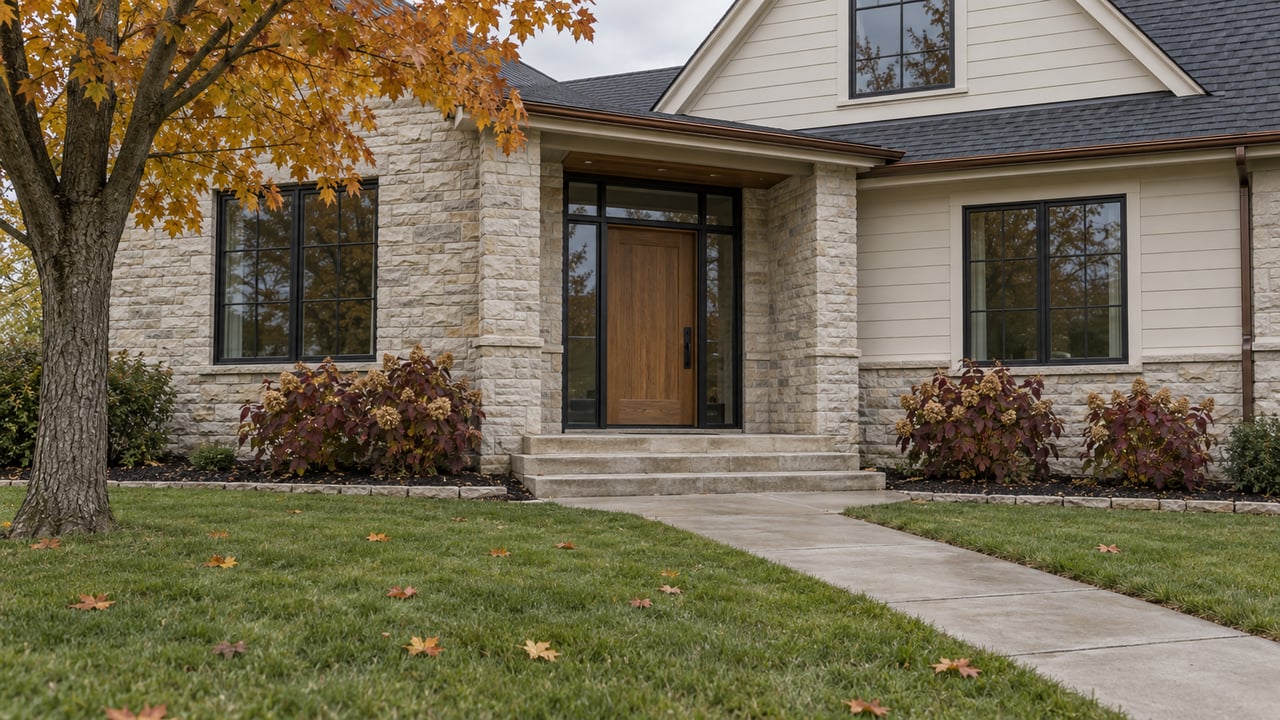
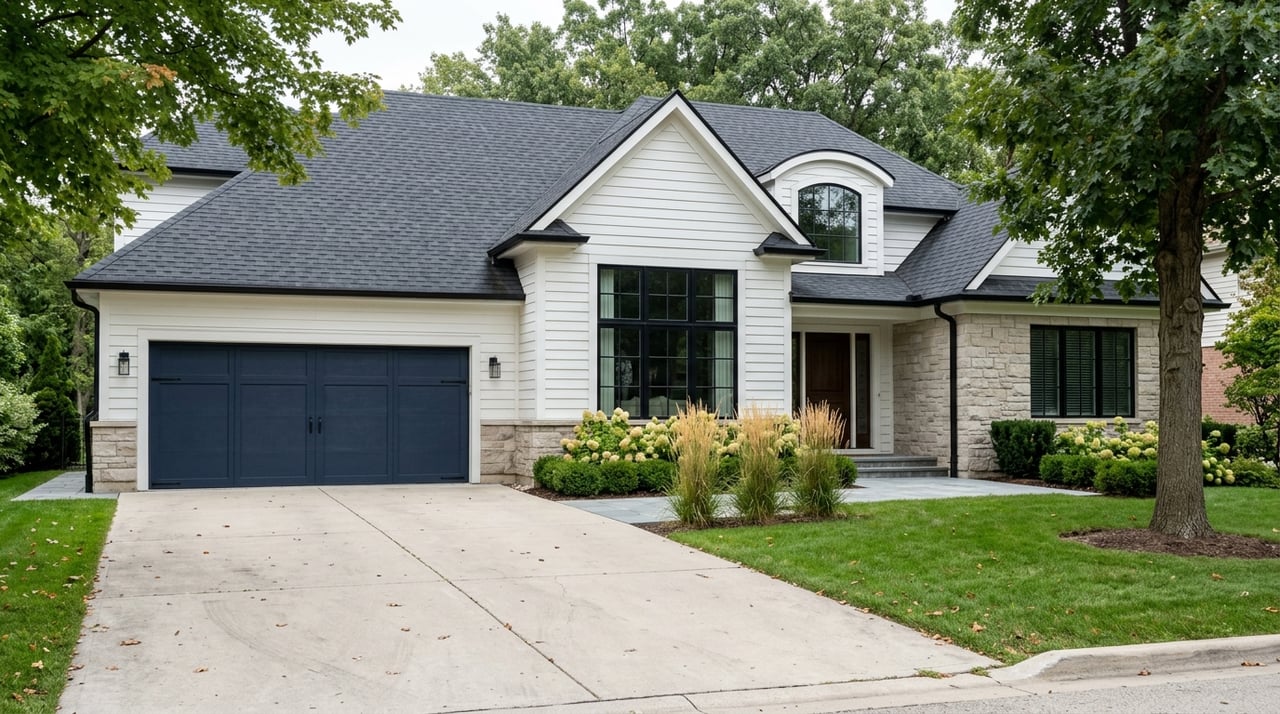
Northbrook has a heavily established housing stock. According to the village, 86.6% of the housing stock is single-family owner-occupied, only 1.2% is duplex units, and 59% of housing was built in 1979 or earlier. The village also notes that it is largely developed, so future growth is expected to come more from infill and conversions than from large new subdivisions.
That means you should expect a mature suburb, not a blank-slate new-build community. Many buyers moving from out of state are surprised by how much of the inventory is made up of older homes on established blocks. You may also find fewer smaller homes in the 1,000 to 1,800 square foot range than in some other suburbs.
Common Housing Expectations
When you start touring homes in Northbrook, keep these practical expectations in mind:
- Single-family homes are the dominant housing type
- Townhouses and condo or co-op options are available
- Much of the housing stock is older and may reflect different update levels
- Large new subdivision inventory is limited compared with fast-growth suburbs
Commute Options in Northbrook
Northbrook gives you several ways to get around, which is useful if your work routine is not the same every day. The village lists downtown Chicago at about 25 miles or 40 minutes by car, O'Hare at 17 miles or 25 minutes, and Midway at 33 miles or 55 minutes. Major road access includes I-94, US 41, IL 43, IL 68, and I-294.
For rail commuters, Metra's Milwaukee District North line serves Northbrook with more than 25 daily trips. Weekday commuter parking at the Northbrook station is paid from 5 a.m. to 10 a.m., with a $2 daily fee. If you expect to use transit often, that station-area detail is worth knowing before you choose a home.
Pace also plays a real role in local commuting. Route 422 connects places like Linden CTA Purple Line, Wilmette, Glenview, Northbrook Court, and the Northbrook Metra station area, while Route 626 links Dempster-Skokie, Northbrook Court, Lake Cook Road, and nearby employment centers. For some buyers, Northbrook works best because it supports a mix of driving, rail, and bus options instead of forcing a one-route routine.
How to Test a Commute Before You Buy
A smart scouting trip should include more than a home tour. In Northbrook, it helps to test both the drive and the station area so you can compare what daily life would actually feel like. Many buyers end up choosing between better rail access, faster highway access, or a preferred address area.
School District Boundaries Matter by Address
If school assignments are part of your move, do not assume the whole village follows one district pattern. Northbrook maps across elementary Districts 27, 28, 30, and 31, with Glenbrook North High School and District 225 serving the area. That means address-level verification is important.
The village provides tools to help confirm district assignments by parcel. Before you write an offer, it is wise to verify the exact property rather than rely on a listing summary or broad neighborhood assumption. When you are relocating from out of state, that extra step can prevent confusion later.
How Remote Touring Works in Illinois
If you plan to start your home search from another state, Illinois has an important rule to know upfront. The buyer-agent relationship is expected to be documented in writing, and a brokerage agreement should be in place no later than touring a property in person or virtually. That includes live virtual tours.
This is one reason local support matters so much for relocation buyers. Virtual browsing can help you narrow the field, but on-the-ground access, scheduling, and due diligence still make a big difference when you cannot visit every home or every block yourself. A strong process helps you move faster and with more confidence.
What a Remote Search Should Include
If you are starting your move from afar, a practical search plan usually includes:
- A written buyer agreement before private or virtual tours
- A clear short list based on budget, commute, and housing type
- Address-level checks for district boundaries and local property details
- A focused in-person scouting trip once your choices narrow
The Illinois Buying Process May Feel Different
Out-of-state buyers are often surprised by how detailed Illinois contracts can be. A typical purchase contract may cover the purchase price, earnest money, financing terms, closing date, possession date, personal property, tax prorations, inspection rights, and several possible contingencies. These can include attorney approval, inspection, financing, or the sale of your current home.
In the Chicago-area contract form, the attorney approval period and inspection period are measured in business days after acceptance. The inspection window can cover home, radon, environmental, lead-based paint, wood infestation, and mold inspections. If issues raised during attorney review or inspections are not resolved, the contract can terminate and earnest money may be returned.
For many relocating buyers, the best mental model is simple: Illinois is an attorney-heavy, disclosure-heavy, and contingency-driven process. If you are coming from a state with a more streamlined or less attorney-involved system, that difference is important to understand early.
Disclosures, Radon, and Due Diligence
Illinois requires most sellers to provide the Residential Real Property Disclosure Report before contract formation. Sellers also must supplement that disclosure before closing if they learn of an error or omission. The disclosure is not a warranty, but it is a required notice of known material defects.
Radon is another item that deserves your attention in Illinois. State law requires the seller to provide the Illinois radon pamphlet and disclosure before you are obligated under contract, and sellers must disclose known elevated radon test results. The Illinois Emergency Management Agency strongly recommends that all homebuyers test for radon before purchase or occupancy.
If you are buying a condo or townhouse, you may also need HOA bylaws and condo disclosures once you are under contract. These review steps are especially important when you are relocating and may not have time for multiple repeat visits.
Taxes, Earnest Money, and Closing Details
Closing costs and timing can feel a little different when you move to Cook County. The Chicago-area contract may set earnest money at execution and then require an increase after the attorney-approval period. That structure can surprise buyers coming from states with a single deposit timeline.
Property taxes also matter at closing. Cook County property taxes are billed in two installments, which affects prorations, escrow setup, and your cash-to-close estimate. Northbrook itself does not levy a real estate transfer tax or issue transfer stamps, which is one local detail worth noting as you budget.
How to Structure a Northbrook Scouting Trip
If you can visit before making an offer, do not tour homes in random order. Northbrook is compact enough that you can organize your time around the factors that matter most to your move. That usually means grouping showings by commute pattern, housing type, and address area.
A better scouting trip often includes a few simple goals:
- Compare station-area access with highway access
- Tour more than one housing type if you are still deciding
- Verify district boundaries for each serious option
- Leave time to revisit your top choices after the first pass
This kind of structure can help you make a more confident decision, especially if your time in town is limited.
What This Means for Your Move
Relocating to Northbrook from out of state is usually less about learning a huge suburb and more about learning the details that shape your daily life. Price range, housing age, commute style, district boundaries, and Illinois contract terms all play a role. When you understand those pieces early, the move becomes much more manageable.
Northbrook can offer a strong mix of established housing, flexible commuting, and a broad range of price points. If you want guidance that is local, organized, and tailored to how you actually plan to live, working with a North Shore-focused team can make the process much smoother. If you are planning your move, connect with The JG Group for a free consultation.
FAQs
What is the typical home price range in Northbrook for relocating buyers?
- As of May 2026, the median sale price in Northbrook was $677,844, with medians of $882,052 for single-family homes, $629,898 for townhouses, and $319,879 for condo or co-op sales.
What should out-of-state buyers know about Northbrook commute options?
- Northbrook offers access to I-94, US 41, IL 43, IL 68, and I-294, plus Metra service on the Milwaukee District North line and Pace routes that support mixed-mode commuting.
What should out-of-state buyers know about Northbrook school boundaries?
- Northbrook includes elementary Districts 27, 28, 30, and 31, with Glenbrook North High School and District 225 serving the area, so you should verify school assignments by exact address.
What should relocating buyers know about virtual home tours in Illinois?
- Illinois expects a written buyer agreement no later than touring a property in person or virtually, so relocation buyers should be prepared to complete that step early in the search process.
What should relocating buyers expect from the Illinois closing process?
- Illinois home purchases often involve detailed contracts, attorney review, inspection periods, required seller disclosures, earnest money terms, and tax prorations that may feel different from the process in other states.